
Erectile dysfunction is often the reason many men first seek medical help. However, it is rarely an isolated issue. In many cases, it is a symptom of deeper health concerns — physical, hormonal, psychological, or lifestyle-related.
An experienced erectile dysfunction doctor does far more than address performance concerns. They assess overall male health, identify underlying causes, and create structured treatment plans that improve both sexual function and general wellbeing.
Let’s explore the broader range of conditions an erectile dysfunction specialist can help manage.
Erectile Dysfunction (ED)
Erectile dysfunction is the most common reason men consult a specialist. ED refers to the persistent inability to achieve or maintain an erection firm enough for sexual activity.
While occasional difficulty can be normal, ongoing problems often indicate underlying issues such as poor blood flow, nerve damage, hormone imbalance, or stress.
An erectile dysfunction doctor evaluates circulation, hormone levels, medical history, and lifestyle factors before recommending treatment. Options may include medication, lifestyle changes, hormone therapy, or advanced regenerative approaches, depending on the diagnosis.
ED is often treatable, especially when addressed early.
Low Testosterone (Low T)
Testosterone plays a key role in energy levels, muscle mass, mood stability, and sexual drive.
Low testosterone may cause symptoms such as:
Reduced libido
Fatigue
Mood changes
Decreased muscle strength
Difficulty maintaining erections
An erectile dysfunction doctor frequently evaluates testosterone levels when assessing sexual health concerns. If hormone imbalance is identified, medically supervised testosterone therapy may be recommended.
Correcting hormonal deficiencies often improves both sexual performance and overall vitality.
Premature Ejaculation
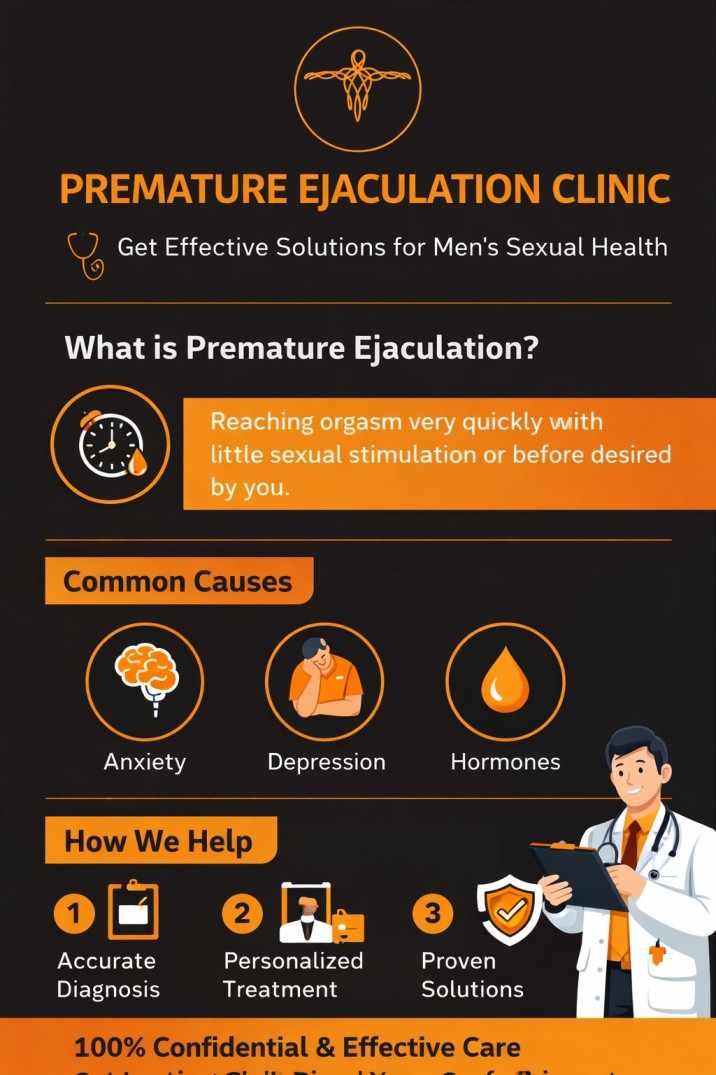
Premature ejaculation affects many men at some stage in life. It can create frustration, anxiety, and strain in relationships.
This condition may be linked to psychological stress, nerve sensitivity, or hormonal factors.
An erectile dysfunction doctor can assess contributing factors and recommend appropriate treatments, which may include behavioural therapy, medication, or desensitisation strategies.
Professional evaluation helps move beyond temporary fixes toward structured solutions.
Performance Anxiety and Psychological Factors
Mental health plays a powerful role in sexual performance. Anxiety, stress, depression, and relationship tension can all contribute to erectile challenges.
Sometimes, a single negative experience leads to performance anxiety, creating a cycle of worry and difficulty.
An experienced erectile dysfunction doctor recognises the psychological component of sexual health. Treatment may involve counselling referrals, stress management strategies, or a combination therapy addressing both physical and emotional factors.
Treating the mind is often just as important as treating the body.
Cardiovascular Health Issues
Erectile dysfunction is often an early warning sign of cardiovascular disease. The blood vessels in the penis are smaller than those supplying the heart. If blood flow is restricted, ED may appear before other symptoms of heart disease.
An erectile dysfunction doctor may screen for:
High blood pressure
High cholesterol
Poor circulation
Early-stage vascular disease
Addressing cardiovascular risk factors not only improves erectile function but also protects long-term heart health.
Sexual health and heart health are closely connected.
Diabetes-Related Sexual Dysfunction
Diabetes can damage nerves and blood vessels, directly impacting erectile function.
Men with poorly controlled blood sugar levels are at higher risk of ED.
An erectile dysfunction doctor will evaluate blood glucose control and coordinate care where necessary. Improving diabetes management often supports better sexual performance outcomes.
Early intervention prevents the progression of nerve damage.
Peyronie’s Disease
Peyronie’s disease involves scar tissue formation within the penis, causing curvature, pain, or difficulty during erections.
This condition may lead to discomfort and reduced confidence.
An erectile dysfunction doctor can assess the severity of curvature and recommend treatment options, which may include medication, injections, or other corrective therapies.
Professional management reduces complications and restores function.
Low Libido and Sexual Desire Disorders
Not all sexual health issues involve erection quality. Some men experience a decline in sexual desire altogether.
Low libido may stem from hormonal imbalance, stress, chronic illness, medication side effects, or emotional factors.
A thorough evaluation helps determine the root cause. Treatment may involve hormone optimisation, lifestyle modification, or addressing underlying psychological concerns.
Sexual desire is complex and influenced by multiple systems within the body.
Metabolic Syndrome and Weight-Related Issues
Obesity and metabolic syndrome contribute significantly to erectile dysfunction. Excess body weight can affect hormone levels, reduce circulation, and increase inflammation.
An erectile dysfunction doctor may recommend structured lifestyle changes, nutritional adjustments, and medical management to support weight loss and metabolic balance.
Improving overall metabolic health frequently leads to better sexual performance.
Prostate Health Concerns
Certain prostate conditions, including enlarged prostate or prostate treatments, may affect erectile function.
An erectile dysfunction doctor evaluates prostate health as part of a comprehensive assessment.
By identifying whether symptoms are linked to prostate conditions, treatment plans can be adjusted appropriately to improve comfort and performance.
Medication Side Effects
Some prescription medications, including antidepressants, blood pressure medications, and certain heart drugs, can impact sexual performance.
An erectile dysfunction doctor reviews your full medication history to determine whether adjustments may help.
Never stop medication without professional guidance, but reviewing options may improve symptoms safely.
Age-Related Sexual Changes
While aging naturally affects hormone levels and circulation, erectile dysfunction is not an inevitable part of aging.
An erectile dysfunction doctor helps distinguish between normal age-related changes and treatable conditions.
Many men maintain satisfying sexual health well into later decades with proper medical support.
When Should You See an Erectile Dysfunction Doctor?
You should consider consulting a specialist if:
Erectile issues occur regularly
Sexual confidence declines
You notice reduced libido
Performance anxiety becomes persistent
Underlying health conditions are present
Relationship strain develops due to sexual concerns
Seeking professional guidance early improves outcomes and prevents complications.
Final Thoughts
An erectile dysfunction doctor addresses far more than erection difficulties. They evaluate hormonal balance, cardiovascular health, metabolic function, psychological wellbeing, and overall male health.
Sexual performance is closely linked to broader physical health systems. Treating ED often means identifying and managing deeper conditions that may otherwise go unnoticed.
At The Ultimate Men’s Clinic, comprehensive men’s health care focuses on restoring confidence, improving vitality, and supporting long-term wellness.
Erectile dysfunction is not simply a performance issue. It is often a signal — and with the right medical support, it can be effectively treated while improving overall health.




Write a comment ...